by Olivia Applegate

Dear Romance,
I didn’t mean to fall for you.
I stumbled into your arms the way so many people stumble into love: unexpectedly, nervously, and with a gentle shove from a best friend who somehow knew what was right for me before I did.
Years ago, when I was first approached about starring in the adaptation of K. Bromberg’s Driven series, I hesitated. But, my best friend (a lifelong romance-novel devotee) did not. And because I trust her taste (and because she was practically vibrating), I said yes.

I thought I knew what I was signing up for. Steamy scenes? Sure. Emotional arcs? Absolutely.
Absurdly handsome men seemingly carved by a benevolent deity with a strong sense of symmetry? Duh.
But what I didn’t expect, what absolutely floored me, were the women.
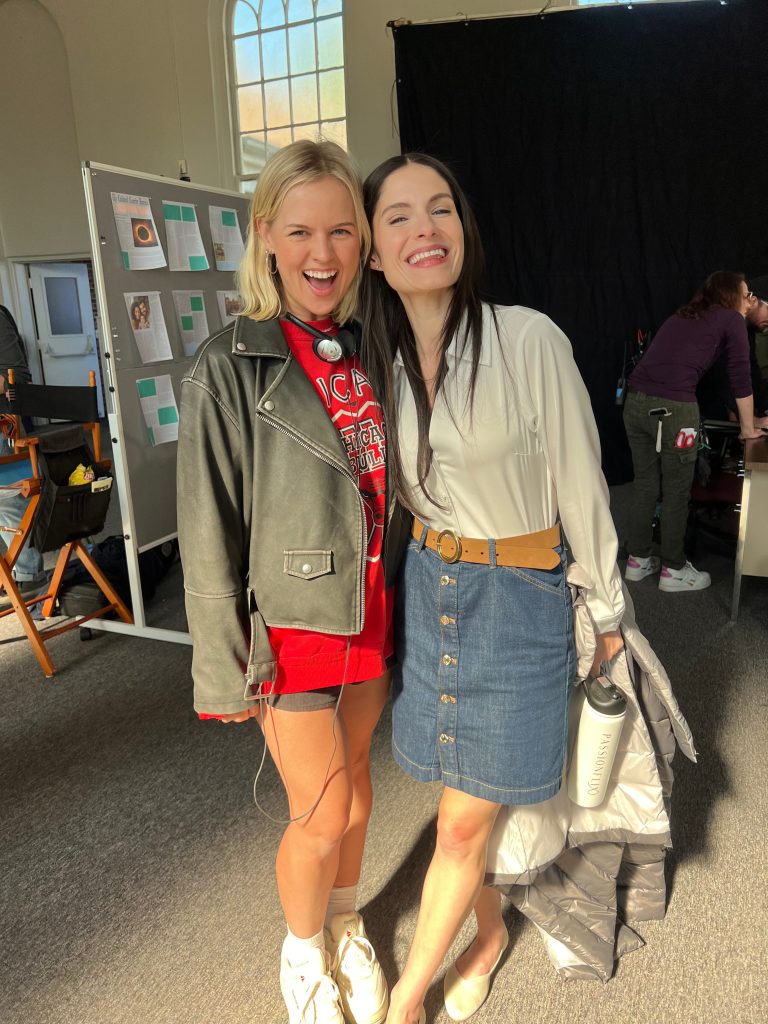
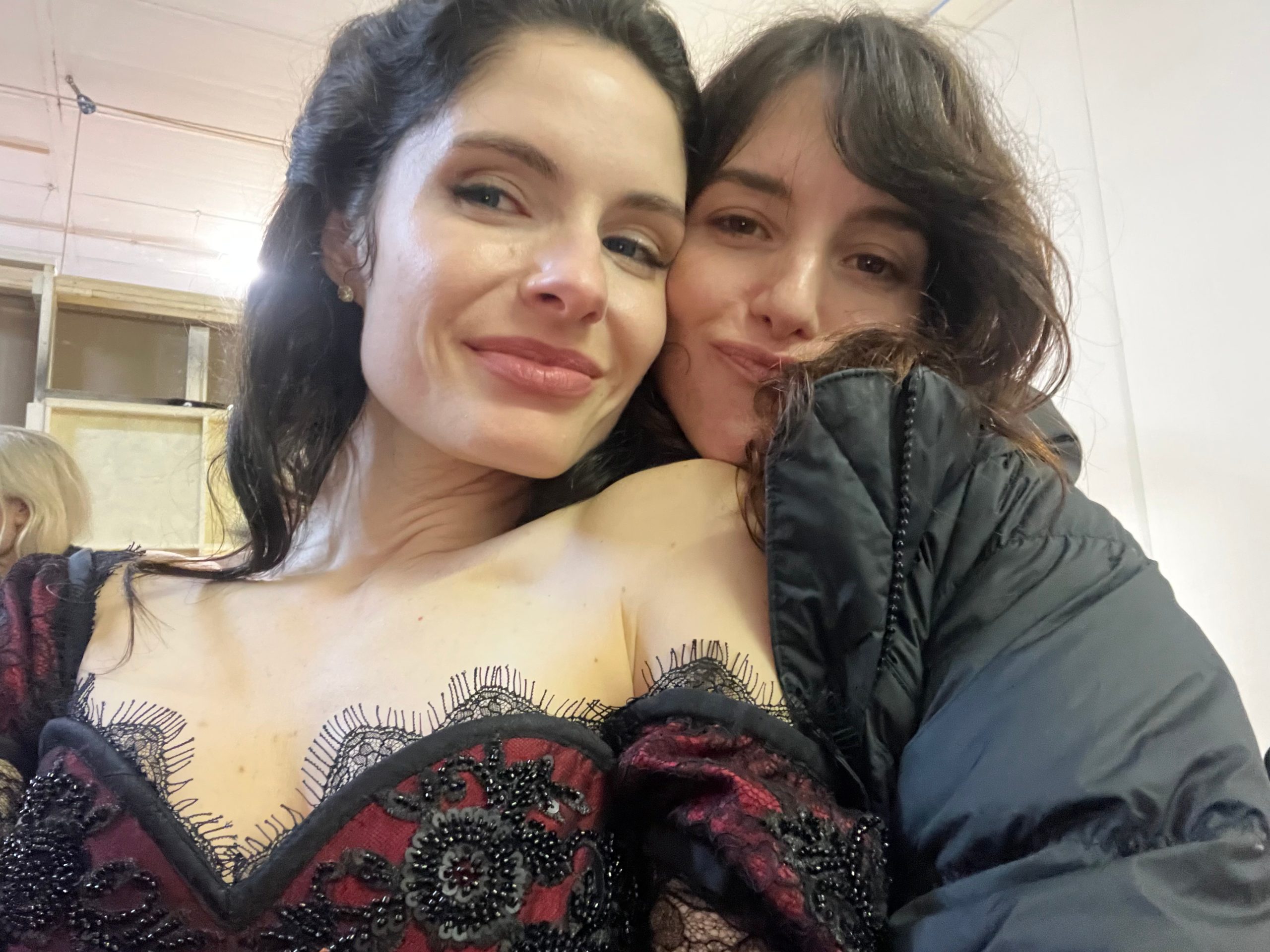
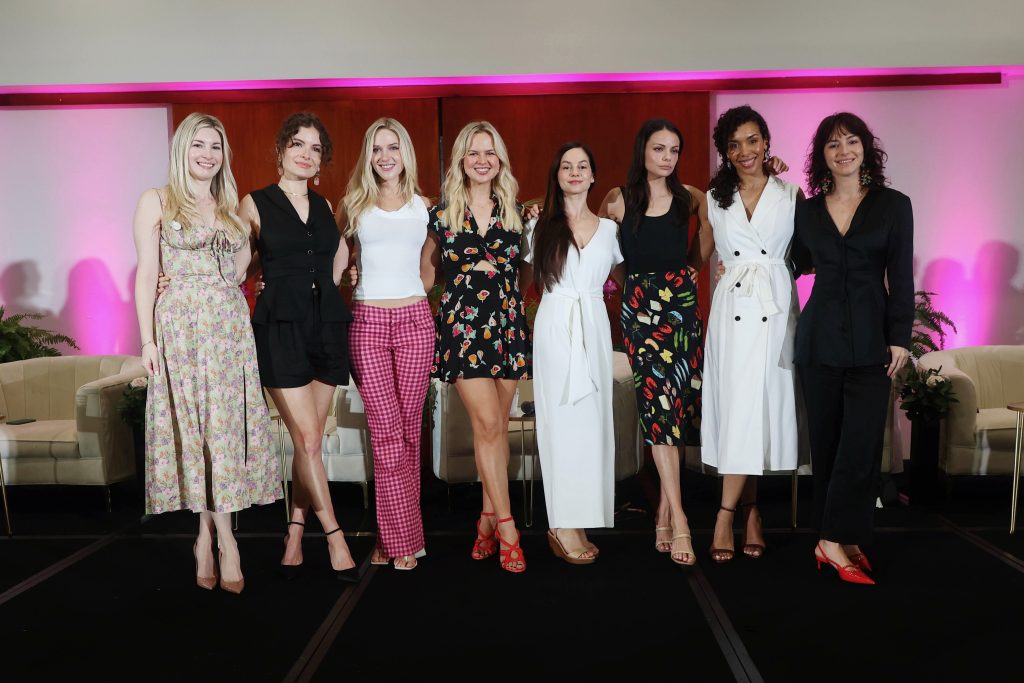
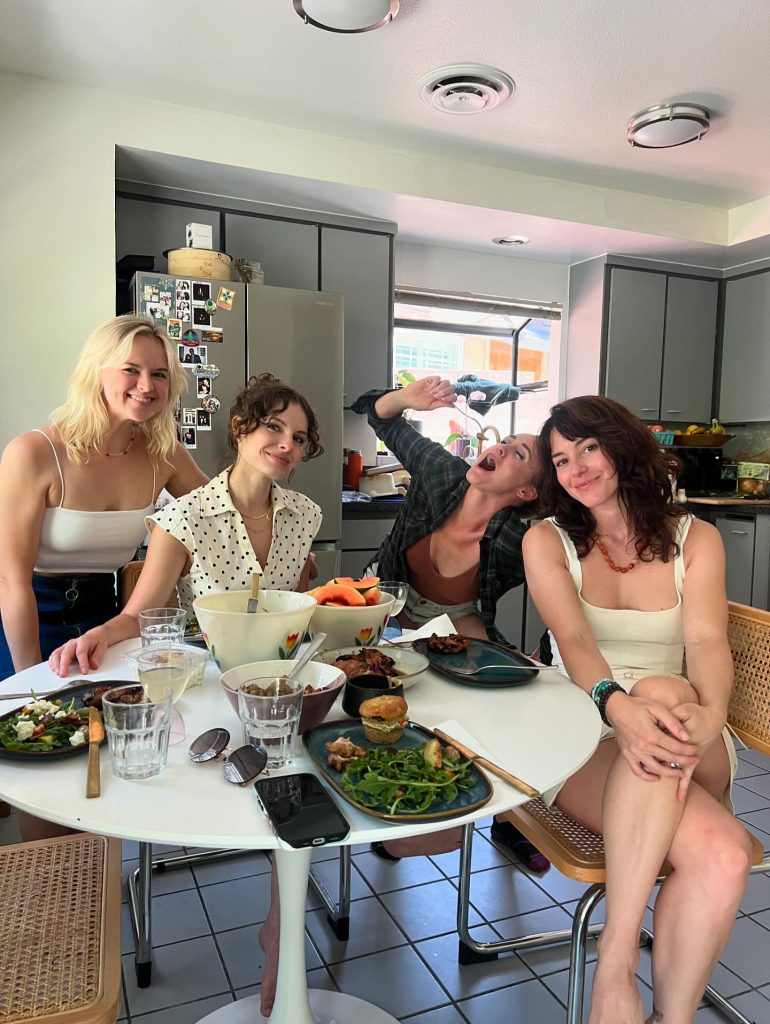
Romance brought me into a sisterhood I didn’t even know I was missing. In the unpredictable and uniquely challenging entertainment industry, the women in this space (in particular fellow female actors) became a grounding force and invaluable sounding board. We’ve shared victories, heartbreaks, fits of laughter, panic spirals, international trips, and countless “What exactly did we sign up for?!” moments.
And then, of course, there are the fans. Oh my God, romance fans!
They’re enthusiastic, generous, emotionally intelligent, and deeply, almost fiercely supportive.
They don’t just root for their characters, they root for the people bringing those characters to life.
They want you to succeed and to feel truly supported.
For a woman in Hollywood? That’s revolutionary.
But like any honest love story, the honeymoon didn’t last forever.

The emotional and physical intensity of the material hit me harder than I expected. I wasn’t just playing a character; I was stepping into someone readers had already inhabited. The romance heroine isn’t just a protagonist — she’s a portal. Readers see themselves in her fears and fantasies, and root for her because, in a way, they are her.
And embodying that, carrying that collective emotional investment, is profound. It’s also heavy.
Especially when you’re wading through storylines that explore trauma, shame, desire, healing, dominance, and consent. I walked off set more than once feeling wrung out, like the character’s struggle had reached inside my nervous system and rewired something. Performing material like that means using real parts of yourself. It takes a toll.

And though women are the primary audience for romance, gender dynamics don’t magically disappear.
In romance, men get to be the fantasy. Women carry the interiority.
Men smolder.
Women absorb.
Men walk away clean.
Women walk away processing.
The emotional labor (on screen and off) is not distributed equally. It’s not malicious or intentional. But it’s real.
Complicating all of this is the reality that productions are still catching up to the kind of support necessary for the intensity of this material. We were exploring themes that, frankly, demand more resources, more care, more structure, and more trauma-informed systems than we consistently had.

And then there’s the baked-in sexism of some romance traditions, which is a complicated dance: honoring fantasies without reinforcing outdated ideas, having nuanced discussions without shaming desire, refusing to “yuck a yum” while still asking… what does this say about what women have been taught to want?
It sometimes felt like walking a tightrope over a canyon.
Truthfully, at times, I felt failed by the genre. But a love story isn’t a love story until a dynamic breaks open and shifts. The more I sit with the difficult parts, the more I realize that romance isn’t failing me. Romance is showing me, with total honesty, where culture still needs to grow.
Fans are hungry for deeper conversations about consent, desire, trauma, fantasy, healing, and power. They’re already having these conversations in book clubs, on TikTok, in fan groups, in DMs, in signing lines. Because, let’s be honest, romance readers know nuance (and multitasking) better than anyone. Give us the heat and the emotional processing—please and thank you.
What they want, whatI want, is a culture that listens, one that is curious about women’s insight and attentive to our experience. A culture that finally understands what romance readers never forget: that women’s emotional lives and fantasies aren’t frivolous.
Because romance isn’t just escapist fluff (though we love that about it, too).
It’s a place where women have explored desire, agency, and emotional intelligence long before Hollywood decided any of that mattered.
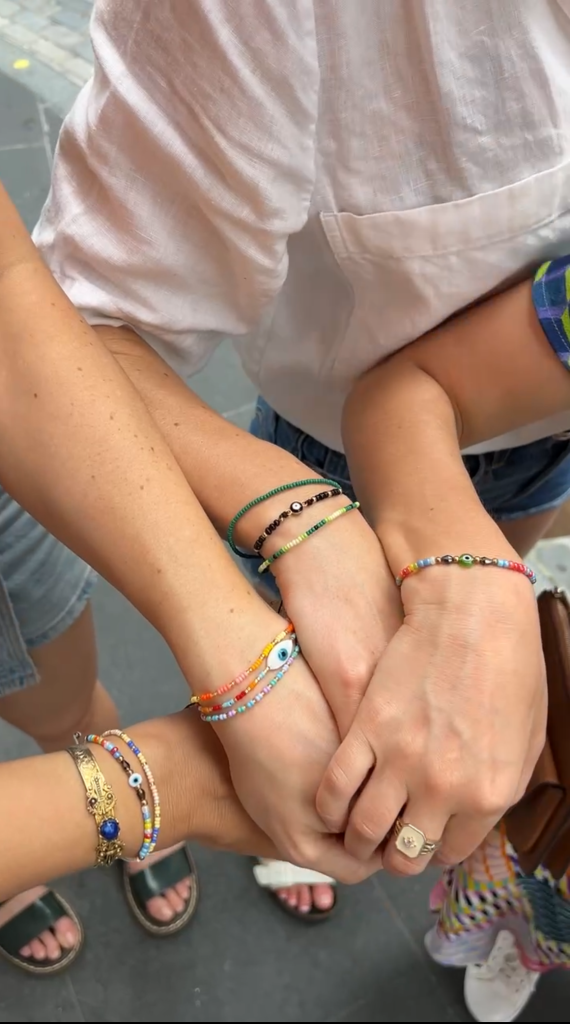
So here I am — several series, many friendships, countless “Oh god, that scene” days later — and I appreciate this space more deeply than I ever did in the infatuation phase.
I see more clearly its power and potential.
I’m excited for more juicy stories and adaptations. More bold conversations. More nuance. More honesty.
More women leading the way.
If society (and men!) wants to know what women want, they should start paying attention to romance readers — because they’re not just consuming stories. They’re building a world where women feel seen, celebrated, defended, and connected.
Romance, thank you for the roles. But more importantly, thank you for the friendships, community, and deeper understanding of myself.
Love always,
Olivia